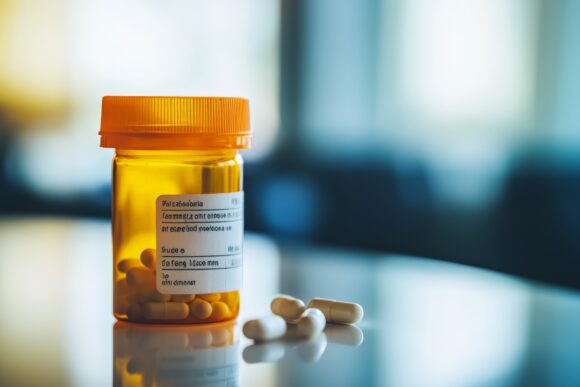
Drug injury litigation helps patients who have been harmed by dangerous prescription or over-the-counter medications that pharmaceutical companies failed to properly test or warn about. Seeger Weiss has secured billions in settlements and verdicts for victims.
Seeger Weiss, a national leader in drug injury litigation, represents victims in a variety of cases who have suffered injuries involving prescription or over-the-counter medication.
When patients are prescribed medicine by their doctors, they put their trust in pharmaceutical companies to design and manufacture safe drugs, conduct proper medical research, and provide sufficient warning of known serious side effects. Unfortunately, far too many drug companies fall short of this standard, selling products that seriously injure patients. That is where Seeger Weiss comes in. We routinely represent patients in their time of need because our attorneys know that, to our clients, their case is the most important thing happening in their life.
Seeger Weiss attorneys bring a wealth of knowledge and experience, having helmed some of the most consequential drug injury lawsuits and obtaining groundbreaking verdicts and settlements.* Our attorneys served at the forefront of the pioneering Vioxx Products Liability Litigation against Merck over claims the company’s arthritis drug caused heart attacks and strokes, securing a $4.85 billion settlement. In another litigation involving similar pain medications, Bextra and Celebrex, our firm helped negotiate an $894 million settlement.
Founding partner Chris Seeger helped negotiate a $26 billion global settlement with Johnson & Johnson and the “Big Three” drug distributors AmerisourceBergen, Cardinal Health, and McKesson on behalf of over 3,000 communities impacted by the opioid crisis. Seeger Weiss has regularly been appointed by judges to lead pharmaceutical litigation, and it has experience ranging from developing and trying these cases in front of juries to negotiating major settlements.
Partner Parvin Aminolroaya is co-lead counsel in the GLP-1 Products Liability Litigation, which consolidates dozens of lawsuits against drugmakers Novo Nordisk and Eli Lilly filed by patients who took Ozempic, Wegovy, Mounjaro, and other similar medications and developed serious conditions, including gastroparesis, ileus, and intestinal blockage. She also served as co-lead counsel in Elmiron (Pentosan Polysulfate Sodium) Products Liability Litigation, in which women allege the drug caused a unique type of ocular damage called pigmentary maculopathy. Additionally, partner Chris Seeger is lead counsel in the Depo-Provera Products Liability Litigation, which claims Pfizer misrepresented the long-term safety of the injectable birth control Depo-Provera and failed to warn of the increased risk of intracranial meningiomas, a type of brain tumor.
*Prior results do not guarantee or predict a similar outcome with respect to any future matter.
Results
Prior results do not guarantee or predict a similar outcome in any future matter.
Prior results do not guarantee or predict a similar outcome in any future matter.
Our Involvement:
Seeger Weiss founding partner Chris Seeger served as co-lead counsel in the litigation against AbbVie Inc. and other manufacturers, concerning major adverse medical events caused by their testosterone replacement therapy products.
In addition, Seeger Weiss partner Dave Buchanan served as trial counsel in first three bellwether trials in this multidistrict litigation, which resulted in more than $290 million in initial verdicts for two plaintiffs who suffered heart attacks following use of testosterone-replacement product AndroGel.
What Happened?
Seeger Weiss was lead counsel in litigation against AbbVie Inc. and other manufacturers, concerning their testosterone replacement therapy products. The plaintiffs were men who used the drugs and suffered a variety of side effects, including heart attacks, strokes, and blood clots.
How Much Did Plaintiffs Get?
The firm served as trial counsel in several bellwether trials against AbbVie over their testosterone product AndroGel, winning federal jury verdicts greater than $150 million in the first case and $140 million in the second. A settlement has since been reached in this litigation.
Prior results do not guarantee or predict a similar outcome in any future matter.
Our Involvement:
Founding partner Chris Seeger served as co-lead counsel for this multidistrict litigation, involving approximately 27,000 separate cases against Merck & Co. over recalled pain medication Vioxx, which has been associated with serious cardiovascular injuries, including heart attacks.
Seeger Weiss’ partner Dave Buchanan served as co-chair of discovery for this MDL and trial counsel in several bellwether trials, where he helped develop the overall litigation strategy used against Merck.
What Happened?
Seeger Weiss LLP was lead counsel for a multidistrict litigation involving approximately 27,000 separate cases against Merck & Co. over recalled pain medication Vioxx, associated with cardiovascular injuries, including heart attacks.
How Much Did Plaintiffs Get?
Following five years of litigation, Seeger Weiss LLP was one of the lead negotiators of a $4.85 billion settlement.
Prior results do not guarantee or predict a similar outcome in any future matter.
Our Involvement:
Seeger Weiss partner Parvin Aminolroaya served as co-lead counsel, representing thousands of patients who took Elmiron and alleged they subsequently suffered subsequent vision problems, including vision loss.
What Happened?
Seeger Weiss LLP was co-lead counsel in this multi-district litigation in the U.S. District Court of New Jersey, representing consumers alleging that drug maker Johnson & Johnson concealed the bladder cyst medicine’s side effects, which include serious eye damage. The condition for which Elmiron is prescribed, interstitial cystitis, disproportionately affects women.
Prior results do not guarantee or predict a similar outcome in any future matter.
Our Involvement:
Seeger Weiss founding partner Chris Seeger served on the Plaintiffs’ Steering Committee, and attorneys from the firm played a crucial role in securing an estimated settlement of $2.4 billion on behalf of more than 9,000 patients and families against Actos manufacturer Takeda in 2015. Seeger Weiss continues to represent plaintiffs seeking compensation for harm caused by Actos in lawsuits filed in state and local courts in California, Illinois, Pennsylvania, and West Virginia.
What Happened?
The FDA approved Actos in 1999 to treat Type 2 diabetes, but in 2011 issued a safety alert linking long-term use to an increased risk of bladder cancer, prompting updated warning labels and the drug’s removal from European markets. Soon after, thousands of patients filed lawsuits against Takeda.
Seeger Weiss served on the Plaintiffs’ Steering Committee in this multidistrict litigation, in which about 5,000 federal lawsuits were consolidated into in The U.S. District Court for the Western District of Louisiana. After losing several bellwether cases, Takeda settled about 9,000 of the Actos lawsuits in 2015 for an estimated $2.4 billion.
How Much Did Plaintiffs Get?
In 2015, an estimated settlement of $2.4 billion was reached on behalf of more than 9,000 patients and families.
Prior results do not guarantee or predict a similar outcome in any future matter.
Our Involvement:
Chris Seeger serves as co-lead counsel in the Proton-Pump Inhibitor Litigation on behalf of patients who suffered kidney injuries while using proton-pump inhibitor drugs. On October 3, 2023, he announced a $425 million settlement with AstraZeneca. This is in addition to settlements reached with GlaxoSmithKline, Procter & Gamble, Pfizer, and Takeda Pharmaceuticals. Compensation for plaintiffs in the litigation now totals $590.4 million.
What Happened?
In the litigation, centralized before the honorable Judge Claire C. Cecchi in the District of New Jersey, plaintiffs alleged that the regular use of defendants’ PPI medications, including Prevacid, Dexilant, Nexium, Prilosec, and Protonix, can cause kidney injuries such as interstitial nephritis which may develop into chronic kidney disease and eventually end-stage renal disease. Plaintiffs also allege that the defendants failed to adequately research the drug’s effects and, in turn, concealed the risks of taking PPI medications.
How Much Did Plaintiffs Get?
On October 3, 2023, Seeger Weiss announced a landmark $425 million settlement with AstraZeneca Pharmaceuticals for cases involving Nexium in the Proton-Pump Inhibitor Products Liability Litigation. This significant achievement comes on behalf of thousands of consumers who suffered kidney injuries while using proton-pump inhibitor (“PPI”) medications. The settlement resolves litigation against AstraZeneca for approximately 11,000 plaintiffs with claims in the MDL and various state court jurisdictions.
In 2024, plaintiff counsel secured a settlement with Takeda Pharmaceuticals, the maker of PPI drugs Prevacid and Dexilant. This is in addition to previous settlements with GlaxoSmithKline, Procter & Gamble, Pfizer. The total compensation for plaintiffs in the litigation has now grown to $590.4 million.
Recognized for excellence
No aspect of this advertisement has been approved by the Supreme Court of New Jersey.
In the 2026 edition of Best Law Firms, ranked by Best Lawyers, Seeger Weiss was recognized nationally for the firm’s representation of plaintiffs in mass tort and class action litigation. Best Law Firms is issued by Best Lawyers.
Learn more about their selection methodology
For the sixth consecutive year, Chambers honored Seeger Weiss with the highest firm recognition, Band 1, in the 2026 Chambers USA Product Liability: Plaintiffs guide. Partners Chris Seeger, Dave Buchanan, Ben Barnett & Parvin Aminolroaya were also featured in the guide. These recognitions are issued by Chambers and Partners.
Learn more about their selection methodology
Seeger Weiss was recognized as Products Liability Practice Group of the Year at The National Law Journal’s 2025 Elite Trial Lawyers award ceremony. The 2025 Products Liability Practice Group of the Year award is issued by The National Law Journal.
Learn more about their selection methodology
Law360 selected Seeger Weiss’s product liability practice as a 2023 Practice Group of the Year. The award honors “attorney teams behind litigation wins and major deals that resonated throughout the legal industry this past year.” This award is issued by Law360.
Learn more about their selection methodology
FAQ’s:
What is a Drug?
The FDA has a Center for Drug Evaluation and Research (“CDER”) that evaluates the safety of new drugs. Drugs are defined broadly by the FDA and CDER, and include:
Prescription Drugs – Drugs prescribed by a doctor.
Over-the-Counter Drugs – Drugs not requiring a prescription.
Generic Drugs – These include both prescription and over the counter drugs. They are drugs that are formulated and perform the same way as brand name drugs.
Miscellaneous Drugs – Toothpaste, dandruff shampoo, antiperspirant, and sunscreen are also regulated by the FDA.
Types of Drugs and Injuries
A wide range of prescription and over-the-counter drugs have caused injuries after approval by the FDA, and lawsuits have resulted. Examples of some of these drugs include the following:
Elmiron– This is an interstitial cystitis drug found to cause a unique type of ocular damage, pigmentary maculopathy, in as many as 25% of long-term users. Hundreds of lawsuits were filed in Federal court.
Prilosec – This is a medication for chronic heartburn, and it was found that long term use could lead to bone fractures, kidney injury and disease, intestinal infections, and dementia. Several lawsuits are pending in multidistrict litigation.
Uloric – This is a medication used to treat gout, an inflammatory condition that happens when blood levels of uric acid are high. Uloric has been linked to an increased risk of cardiac death due to heart attack and stroke. Although the FDA required a black box safety warning for Uloric, which is the most severe FDA warning, the agency did not withdraw the drug from the market.
Valsartan – This medication is used to treat high blood pressure, and due to contamination from carcinogenic chemicals, it caused liver failure, liver tumors and other types of cancer. Multiple manufacturers whose drugs were formulated in India and China, faced lawsuits for contamination that caused cancer.
Drug Injury Laws and Regulations
State and Product Liability Laws
Lawsuits claiming injury because of prescription or over-the-counter drug use are generally brought as product liability cases, and sometimes as class actions. State laws vary so it is important to be familiar with the laws in your state to determine whether you have a viable claim.
Under most state laws, you could file a drug injury claim based upon the following theories:
Manufacturing Defects
The Drug Was Formulated Improperly or Contaminated During the Manufacturing Process
The Defect Must be a Substantial Factor in Causing Plaintiff’s Injury
Improper Labeling/Failure to Warn
Label and Packaging Did Not Warn of a Specific Danger
Plaintiff Would Not Have Taken the Drug if Properly Warned
Dangerous Side Effects/Intentional Misrepresentation
The Drug was Manufactured Properly but Caused Serious Side Effects and Injury
The Manufacturer Was Aware of the Potential Side Effects but Concealed Evidence
Federal Laws and Regulations
The Federal Food, Drug and Cosmetic Act (“FD&C Act”)
The FDA follows the provisions of the FD&C Act, contained in Section 21 of the Code of Federal Regulations. The law includes regulations that manufacturers and distributors must adhere to regarding the registration, classification, reporting, scientific evidence of safety, labeling, premarket approval, and quality regulation of new drugs.
The FDA Regulation of Drugs
The FDA does not test drugs for safety, but rather, it regulates and monitors approval of new drugs, including the manufacture, packing, labeling and shipment of the drugs. In addition, if a drug later causes dangerous side effects the FDA can require stricter labeling, issue warning letters to pharmaceutical companies, recall or withdraw the drug from the market.
The CDER Drug Approval Process
The CDER is the arm of the FDA that evaluates new drugs. The steps involved in this process include the following:
Drug Companies Test New Drug – Before a company tests a drug on human beings, it conducts animal testing, also called preclinical testing, and then human clinical trials to determine safety and health benefits.
Investigational New Drug Application (“IND”) – The IND is required by the FDA after the manufacturer completes animal studies and wants to test the drug on humans. The FDA has extensive requirements for the IND including information on the animal studies, manufacturing, and clinical protocols for the proposed human trials.
Testing Results Sent to CDER – Once the company’s testing is completed, the data and results are provided to the CDER. This information is in the form of an application.
New Drug Application (“NDA”) – An NDA is the method by which drug manufacturers propose that the FDA approve a new pharmaceutical drug. The NDA includes the data from the animal studies and clinical trials.
Abbreviated New Drug Application (“ANDA”) – An ANDA is used for generic drug products, because they are not required to include animal studies first. The manufacturer must demonstrate that the generic drug performs the same way as the original one.
CDER Reviews Company Data – The CDER reviews the company’s testing and other data to determine whether the benefits of the drug outweigh any risks. The review staff includes a team of doctors, chemists, statisticians, and pharmacologists.
Approval or Denial of Drug – After review by the CDER team, the drug may be approved for sale or, if there are issues or the FDA needs more information, the manufacturer will receive what is known as a complete response letter.
Continued Monitoring of Drug Safety – Even after a drug is approved, the CDER continues to monitor the safety of a drug and inform consumers if there are any health risks. There may be label changes, drug recalls, or withdrawal of the drug from the market.
Any Individual Injured by a Drug – You may sue if you took a prescription or over-the-counter drug and suffered serious adverse effects, particularly those you were unaware of prior to taking the medication.
Family Members Eligible to Sue – Relatives of the injured party may also be part of the lawsuit if those family members suffered economic or emotional injury.
What Do I Need to Prove for Drug Injury?
Drug injury claims are generally based upon a manufacturing defect, or improper labeling that failed to warn of certain dangers. These are strict liability claims, which means that the plaintiff does not need to establish that the manufacturer intended to cause harm or was negligent in doing so. Another claim based upon fraud is that the drug had dangerous side effects that the manufacturer knew of but concealed from consumers.
Proof of your claims depends upon your theory of liability, but in general, if you believe you suffered any side effects after taking a prescription or over-the-counter drug, there are some important steps to follow.
Seek Medical Attention – Visiting the doctor who prescribed your drug is important, so that another drug can be selected. Also, a medical record of your injury will exist, and the doctor can report your side effect to the FDA.
Report Your Injury to the FDA – You or your doctor can report your side effects to the FDA through its MedWatch reporting form. The FDA can then determine whether it needs to take any action. https://www.accessdata.fda.gov/scripts/medwatch/?
Research Your Drug – The FDA has information on its website, regarding actions taken to investigate, recall and withdraw any drug. You can research your drug and determine whether there have been any issues before you seek legal advice. https://www.accessdata.fda.gov/scripts/ires/index.cfm
Consult an Experienced Attorney – Once you decide that you want to pursue legal action, consulting an experienced attorney will help you evaluate whether your claim is viable, and find out if there is a pending class action regarding your drug.
Potential Damages for Drug Injury
Medical Costs
Loss of Wages (Current and Future)
Pain and Suffering (Physical and Mental)
Punitive Damages (If Manufacturer was Aware of Health Risks and Concealed Them)
Who Is Liable for a Drug Injury?
Manufacturer
Testing Laboratory
Pharmacy/Retailer
Pharmaceutical Sales Representative
Healthcare Professionals
When Should I Contact a Drug Injury Attorney?
If you believe a pharmaceutical company or other at-fault parties have caused injury by a medication or medical device defect, speaking to a drug injury lawyer might help. A drug injury lawyer can evaluate a case and determine if a lawsuit is appropriate.
An attorney may also be aware if there is a class action that was filed regarding the violation, especially if a group of people has been affected by the violation in a similar way.
Don’t see your case listed among our current investigations? We may no longer be accepting clients for that matter, or we may not have started an investigation yet. If you’d like to tell us about a new drug injury case, get in touch.
For updates on the litigation of which your case is a part, find the litigation’s individual case page for the latest. Still looking for answers? Reach out to us via the email below: