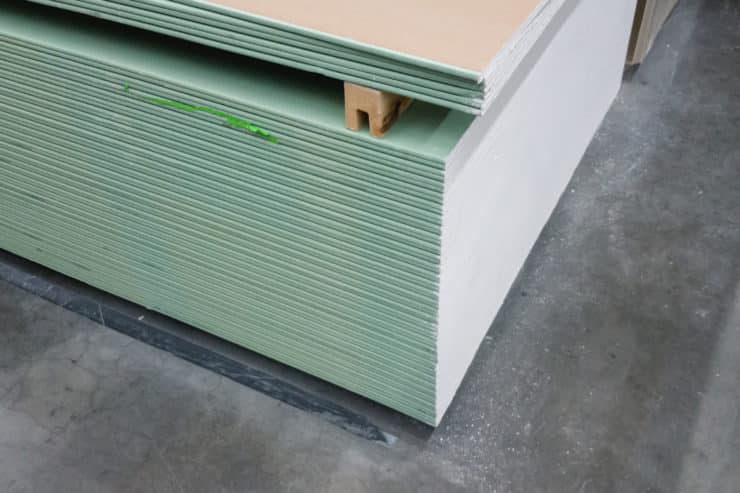
What Made Toxic Drywall?

With Seeger Weiss’ recent Chinese Drywall lawsuit settlement totaling $800-$1 billion, toxic drywall victims who have lost equity in their homes and suffered major health issues, will be compensated. Thanks to Seeger Weiss and other members of the Plaintiffs’ Steering Committee, 1,000 victims will be helped—and builders and homeowners are more educated on what caused the defective drywall.
Learn why Seeger Weiss’ experience in multidistrict litigation gives them an edge.

How It Started


A shortage of drywall during the housing boom in the 2000s forced many builders to export wallboards or plasterboards from China. Little did they—or their homeowners—know that the material used included an assortment of compounds, in addition to gypsum, that would turn the material into toxic drywall and harm more than 4,500 properties.

Differences in Composition


Drywall produced in the U.S. primarily consists of a gypsum plaster. However, unregulated defective Chinese drywall was found to include metals, organic compounds and minerals.

From studies conducted by the U.S. EPA and other parties, we know two factors that contributed to defective Chinese drywall: the composition of its material and the environment in which it was placed. Chemically, the toxic drywall proved different from U.S. produced drywall. Because of this, the material emitted toxic drywall fumes under certain temperature and humidity conditions. The higher the temperature and humidity were; the higher potential to let off toxins such as sulfur gases. More findings from the U.S. EPA 2009 study:
  • Sulfur was found in toxic drywalls (at 83 and 119 mg/kg) while it was absent from the tested U.S. drywalls (below the detection limits of 8.23 mg/kg)
  • Iron was found in the tested potentially toxic Chinese drywalls (1,390 and 1,630 mg/kg) as compared to the tested U.S. drywalls (841-3,210 mg/kg)
  • Strontium was detected in higher amounts (2,570 and 2,670 mg/kg) than in the U.S. drywalls (244-1,130 mg/kg)
  • Two organic compounds associated with acrylic paints were found
Other studies (Rosen, 2009; EMSL, 2009; Columbia Analytical, 2009) point out that defective Chinese drywalls also contained pyrite (FeS2), which is usually avoided in building materials because it can collapse, as well as sulfur based fungicides, which was used to prevent mold and bacteria growth during shipping. From a structural standpoint, the defective drywall also contained lower fiber content and variable air voids compared to U.S. drywall.

Stay up with the progress of this landmark toxic drywall settlement and any new developments via our website.

Call Us Toll Free:

888-584-0411